

If you’re searching for a clear breakdown of what’s happening in Lightnite right now — from competitive multiplayer tactics to the evolving lightnite survival mechanics — you’re in the right place. Players are constantly adapting to balance changes, new strategies, and shifting meta trends, and staying ahead requires more than surface-level tips.
This article is built to give you exactly what you’re looking for: up-to-date Gamefront news, practical battle royale insights, and honest console and PC gameplay analysis that helps you improve immediately. Whether you’re trying to refine your loadout decisions, survive longer in high-pressure endgames, or understand how new updates impact performance, we’ll break it down in a clear, actionable way.
Our coverage is grounded in hands-on gameplay testing, detailed match analysis, and consistent review of patch updates and competitive trends—so you’re not just getting opinions, but informed insights you can actually use in your next match.
Have you ever wondered why you win early fights yet still crash before the final circle? In Lightnite, bullets and Bitcoin are intertwined. Mastering lightnite survival mechanics means treating every elimination as both a tactical and financial decision. Drop smart: land where loot density meets manageable traffic. Why chase chaos when steady gains stack faster? Mid-game, rotate with purpose, banking sats instead of flexing risky duels (yes, ego is expensive). In the endgame, ask yourself: is this push profitable? Thriving means balancing aggression with asset protection. Survive, invest, pressure, repeat. Victory follows disciplined players. Play smarter, not just harder. Consistently.
The First 90 Seconds: Smart Drops and Efficient Looting
The first 90 seconds decide whether you’re hunting… or being hunted.
Choosing Your Drop Zone
High-traffic zones promise high-tier loot and early eliminations. The reward? Fast gear and momentum. The risk? A quick trip back to the lobby (we’ve all had that match). Low-traffic areas offer safer openings but slower upgrades. Some argue hot drops are the only way to improve mechanically. That’s fair—pressure builds skill. But if your goal is consistent wins, survival odds matter more than highlight reels.
Speculation: As maps evolve, expect developers to rebalance high-tier loot across wider areas, reducing the dominance of “super drops” and rewarding smarter rotations instead of chaos.
The ‘Loot Path’ Mentality
Don’t land and freeze. Plan a route hitting multiple structures:
- Secure shields first
- Grab a reliable primary weapon
- Collect mobility or healing
This aligns with lightnite survival mechanics, where sustained durability often outlasts flashy loadouts. Pro tip: A basic rifle and full shields beat a legendary weapon with 30 HP.
Early Game Economic Edge
Prioritize items you can equip immediately. Micro-transaction drops may look tempting, but grabbing them early broadcasts your position and delays combat readiness. It’s high risk for zero combat value.
Initial Engagements: Fight or Flight?
Take early fights only if:
- You have shield advantage
- You control positioning
- You heard the enemy reload
Otherwise, disengage and rotate. Some players call this passive. It’s not. It’s selective aggression. Win the first 90 seconds, and the rest of the match bends in your favor.
Navigating the Mid-Game: Rotations, Positioning, and Engagements
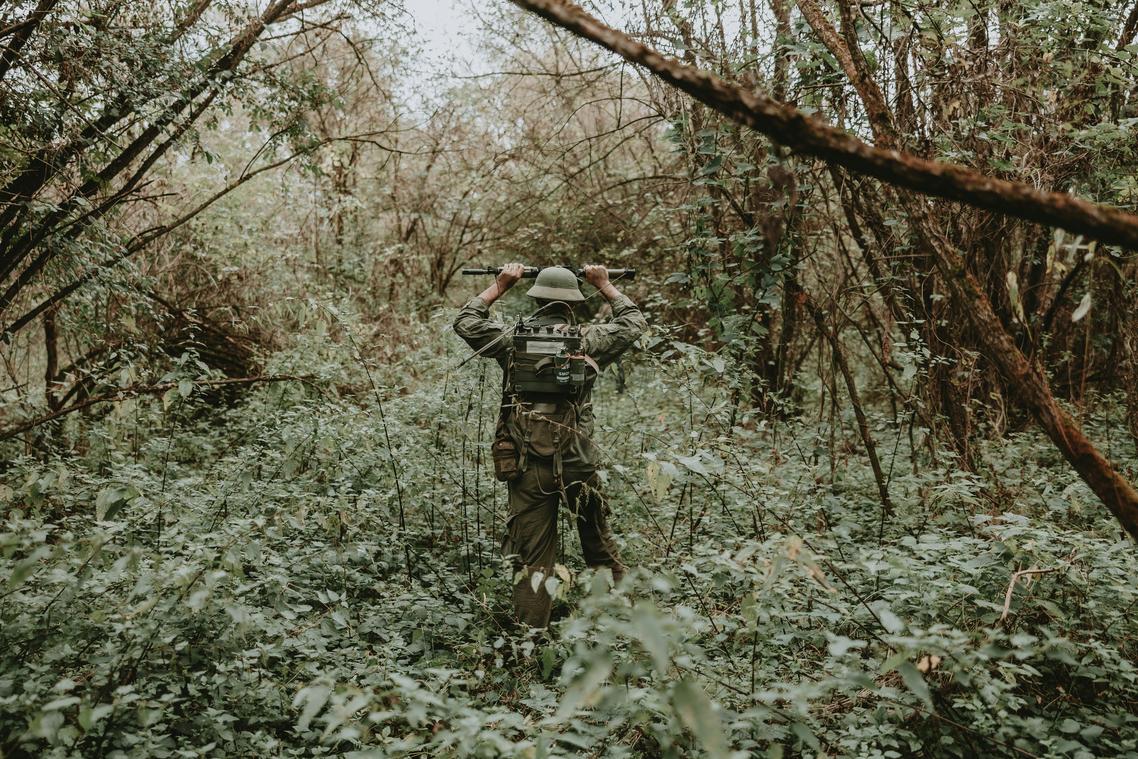
The mid-game is where lobbies quietly thin out—and smart players separate themselves from highlight-reel hopefuls.
Mastering Rotations
First, understand the storm circle (the shrinking safe zone that forces player movement). You have two primary strategies: edge-of-zone and center-zone positioning.
Edge-of-zone means rotating late and keeping your back to the storm. The advantage? Fewer angles to defend and easier third-party reads. The downside: longer rotations if the next circle pulls far (and it will, at the worst time).
Center-zone players rotate early to secure prime real estate. This reduces scramble rotations later, but you risk being surrounded. Some argue center-zone is “safer.” Statistically, however, edge play often results in fewer engagements before top 10 due to reduced exposure angles (common in competitive BR analysis, e.g., Apex ALGS reviews).
The Art of Third-Partying
Gunfire cadence changes, shield cracks, frantic building edits—these are your invitations. When you hear sustained automatic fire followed by silence, that’s your cue (someone’s healing). Enter from high ground, isolate one weakened player, and disengage fast. Don’t dive into the middle like it’s an action movie finale.
Information is Ammunition
Footsteps indicate surface type. Distant shots reveal weapon class and range. Building animations show fresh edits. In lightnite survival mechanics, environmental audio travels realistically—use that. Pro tip: pause your sprint before pushing; reduced audio clutter sharpens directional cues.
Mid-Game Loadout Optimization
Heading into endgame, prioritize synergy: shotgun/SMG for close quarters, AR for mid-range pressure. Carry mobility and at least one healing utility. For deeper tuning, review this weapon balancing and loadout optimization guide. A balanced kit wins more finals than flashy loot ever will.
The Final Circle: High-Ground, Utility, and Endgame Pressure
The Power of High Ground
High ground vs low ground is the oldest showdown in shooters—and it still decides final circles. Elevated players see rotations earlier, control sightlines, and force enemies to burn mobility. In Lightnite survival mechanics, vertical positioning also limits how much exposure you take while peeking.
Low ground offers cover, sure. But cover without vision is a trap. Think of it like Anakin vs. Obi-Wan—one misstep uphill and it’s over.
Pro tip: Secure height before the circle fully closes, not during the chaos of last-second rotations.
Winning with Utility
Gun skill vs smart utility? Smart utility wins more often than players admit. Grenades flush campers. Shields buy reset time. Area-denial items block revives or escape paths. Compare pushing with raw aim alone versus softening targets first—one drains your health; the other drains theirs.
Patience and Pressure
Aggression vs restraint is the real endgame duel. The shrinking zone is your silent teammate. Hold safe ground and let opponents panic-rotate into your crosshair (they usually do).
1v1 Scenarios
In final duels, resource management beats flash. Heal advantage vs ammo advantage? Healing usually wins—if you force a peek after topping off. Track cooldowns, reload early, and never assume the last player is desperate. Sometimes, they’re waiting for you to blink.
Mastering advanced tactics in Lightnite means thinking beyond pure aim.
First, baiting with Bitcoin: drop a low-value coin stack in a visible spot, then hide with patience. Greedy players rush loot like it’s Black Friday, giving you the perfect ambush window. It’s psychological warfare wrapped in pocket change.
However, some argue this tactic is unsportsmanlike. Fair point, but remember: strategy wins battle royales, not politeness.
Next, deny resources. Instead of merely eliminating opponents, destroy high-value drops you can’t carry. That single decision can starve rivals in the endgame.
On the flip side, the “Scavenger” playstyle embraces patience, avoiding fights and looting aftermaths. Think of yourself as the Batman of the storm, appearing only when it matters.
Because lightnite survival mechanics reward smart positioning, conserving ammo and shields often beats flashy firefights. (Yes, restraint is a superpower.)
Ultimately, whether you bait, burn, or scavenge, play the long game. Victory favors thinkers.
Victory starts before the first shot. You have the toolkit; now apply it. From drop to endgame.
Consider this:
- Hot-drop chaos vs. calculated landing
- Aggressive chasing vs. smart rotation
- Loot hoarding vs. economic leverage
In contrast, disciplined choices within lightnite survival mechanics build momentum. Ultimately, better decisions mean steadier wins.
Mastering Your Next Lightnite Match
You came here to sharpen your edge and understand what it really takes to win more fights and survive longer. Now you’ve seen how smarter rotations, tighter loadout decisions, and a deeper grasp of lightnite survival mechanics can completely change your results.
The frustration of early eliminations, wasted loot paths, and inconsistent squad play doesn’t have to define your matches anymore. When you apply these tactics with intention, you stop reacting and start controlling the pace of the game.
Your next move is simple: put these strategies into practice today. Drop in with a plan, refine your positioning, and actively adapt to each circle shift. Then level up even faster by exploring more advanced breakdowns, multiplayer tactics, and in-depth game analysis from our top-rated gaming hub trusted by competitive players.
Stop losing to preventable mistakes. Dive back in, apply what you’ve learned, and turn every match into a calculated step toward victory.
 w to articulate yet — and then answering them properly.
They covers a lot of ground: Expert Breakdowns, Lightnite Battle Royale Mechanics, Gamefront News, and plenty of adjacent territory that doesn't always get treated with the same seriousness. The consistency across all of it is a certain kind of respect for the reader. Pearlinara doesn't assume people are stupid, and they doesn't assume they know everything either. They writes for someone who is genuinely trying to figure something out — because that's usually who's actually reading. That assumption shapes everything from how they structures an explanation to how much background they includes before getting to the point.
Beyond the practical stuff, there's something in Pearlinara's writing that reflects a real investment in the subject — not performed enthusiasm, but the kind of sustained interest that produces insight over time. They has been paying attention to expert breakdowns long enough that they notices things a more casual observer would miss. That depth shows up in the work in ways that are hard to fake.
w to articulate yet — and then answering them properly.
They covers a lot of ground: Expert Breakdowns, Lightnite Battle Royale Mechanics, Gamefront News, and plenty of adjacent territory that doesn't always get treated with the same seriousness. The consistency across all of it is a certain kind of respect for the reader. Pearlinara doesn't assume people are stupid, and they doesn't assume they know everything either. They writes for someone who is genuinely trying to figure something out — because that's usually who's actually reading. That assumption shapes everything from how they structures an explanation to how much background they includes before getting to the point.
Beyond the practical stuff, there's something in Pearlinara's writing that reflects a real investment in the subject — not performed enthusiasm, but the kind of sustained interest that produces insight over time. They has been paying attention to expert breakdowns long enough that they notices things a more casual observer would miss. That depth shows up in the work in ways that are hard to fake.