
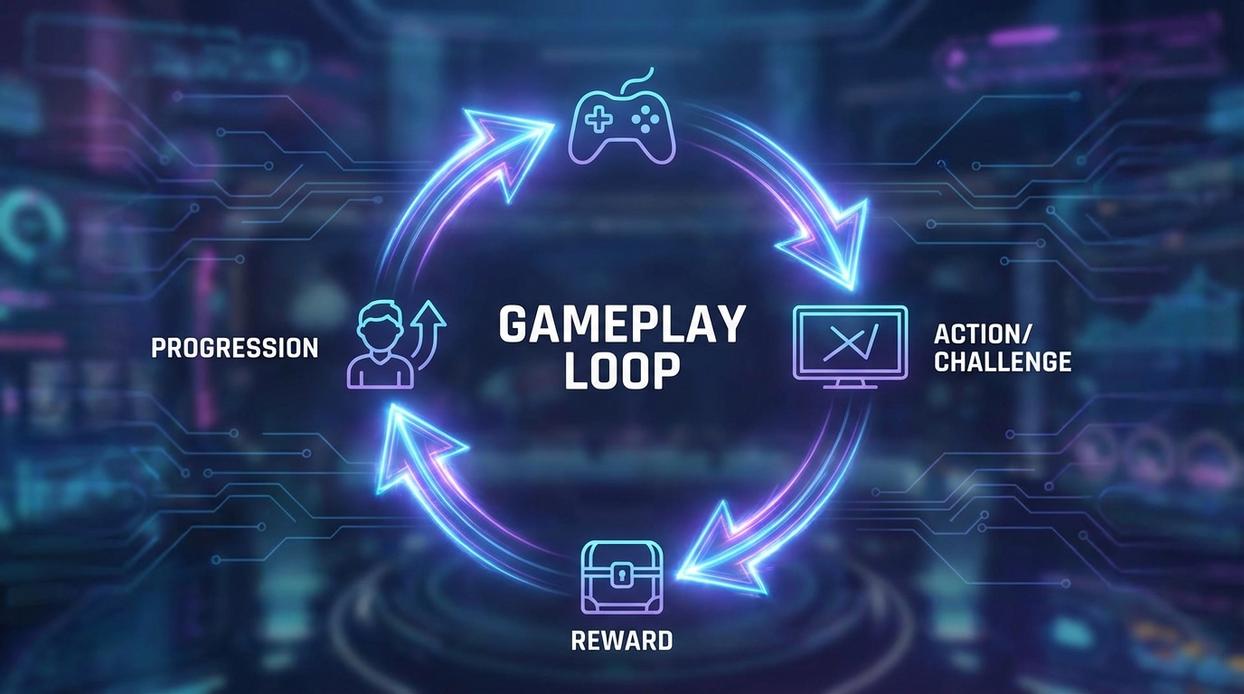
If you’re searching for reliable insights on Lightnite, competitive multiplayer tactics, or the latest Gamefront updates, you’re in the right place. This article is designed to break down what actually matters—core battle royale mechanics, smart positioning strategies, weapon efficiency, and the subtle gameplay systems that separate casual players from consistent winners.
Whether you’re looking for a detailed story-driven game review, advanced console and PC performance analysis, or practical tips you can apply in your very next match, we focus on clear, actionable information tailored to your search intent. No filler. No recycled patch notes.
Our insights are built on hands-on gameplay testing, deep mechanical breakdowns, and careful evaluation of multiplayer balance changes across updates. We analyze what works in real matches—not just in theory—so you can make smarter decisions, improve faster, and stay ahead of the evolving meta.
Let’s dive into what you need to know right now.
Weaving the Narrative: A Look at Character, Plot, and Pacing
The Premise (Spoiler-Free)
The game drops you into a fractured world where rival factions compete for control over a dwindling energy source known as Aether. You play as a reluctant operative pulled from obscurity after a catastrophic attack destabilizes the balance of power. The central conflict is simple on the surface—restore stability—but layered with political intrigue and personal stakes. Think less “save the world because you’re the chosen one” and more “fix what powerful people broke” (a refreshingly grounded twist).
This focused setup benefits players by providing clear motivation while leaving room for discovery. You’re never lost about why you’re fighting, even when alliances blur.
Character Deep Dive
The protagonist’s arc feels earned because their motivations evolve logically. Early cynicism gradually gives way to reluctant leadership, supported by subtle dialogue shifts and stronger delivery in later scenes. Voice acting stands out, particularly during quieter exchanges where hesitation and breath carry emotional weight.
Key supporting characters shine through:
- A morally gray tactician whose loyalty hinges on outcomes, not ideals
- A defector scientist seeking redemption
- A rival commander who challenges your worldview rather than just your aim
Their believable motivations elevate this beyond a standard campaign. Some may argue the archetypes feel familiar—and that’s fair. But familiarity isn’t failure. It’s execution that counts, and here, layered backstories and reactive dialogue add depth.
Pacing and Plot Progression
The pacing alternates between explosive missions and slower investigative hubs. While a few mid-game segments drag, they allow emotional beats to land. Major twists avoid shock-for-shock’s-sake tactics and instead recontextualize earlier choices.
For players who care about systems as much as storytelling, this complements insights found in a multiplayer focused game review modes balance and replay value.
Thematic Resonance
At its core, the narrative explores responsibility and consequence. The interactive structure reinforces this theme—choices ripple outward, altering dialogue and mission outcomes. In a true story-driven game review sense, it proves mechanics and narrative can reinforce each other, leaving you reflective long after the credits roll.
The Controller in Your Hands: Deconstructing the Gameplay Loop
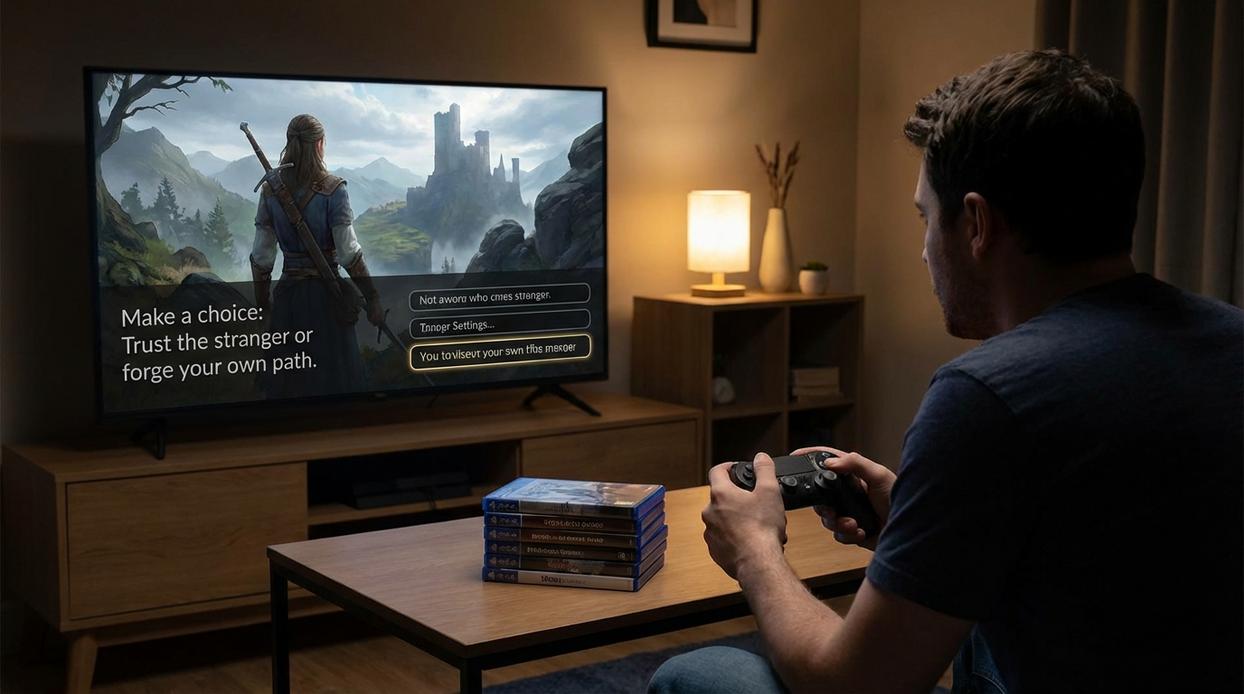
Start with an anecdote about X. The first time I dropped into a match, I ignored the objective and simply ran. Not strategically—just to feel the movement. Within seconds, I could tell this wasn’t a sluggish, animation-locked experience. The sprint canceled cleanly into a slide, the slide chained into a vault, and suddenly I was thinking less about buttons and more about momentum. That moment-to-moment flow is the core gameplay loop: move, scan, engage, loot, reposition.
At its heart, the game plays like a third-person shooter layered with light tactical decision-making. You’re constantly balancing aggression with survival. Combat revolves around short bursts of gunfire, cooldown-based abilities (timed skills that recharge after use), and spatial awareness. Meanwhile, quieter stretches let you manage inventory and map positioning. It’s a steady rhythm—pressure, release, recalibrate. Think less twitchy arcade chaos, more controlled firefight chess (with occasional panic spraying).
From a technical standpoint, responsiveness is king. Input latency—the delay between pressing a button and seeing the action—feels minimal, which research shows is critical to player satisfaction in competitive games (Claypool & Claypool, 2006). The UI is clean and readable, prioritizing ammo counts and ability timers without clutter. Pro tip: tweak sensitivity settings early; the default curve may not match your reflexes.
However, does the gameplay serve the narrative? In this story-driven game review, I’d argue mostly yes. Combat encounters feel thematically aligned with the world’s high-stakes tension. That said, repeated skirmishes can occasionally dilute emotional beats. When every door hides enemies, quiet narrative moments lose oxygen.
As for innovation versus convention, the mechanics aren’t revolutionary. Yet depth emerges through mastery. Small optimizations—positioning, timing, teamwork—create replayability. It’s familiar territory, but refined. Sometimes evolution beats revolution.
Building the World: A Symphony of Art, Sound, and Atmosphere
Visual Presentation: The art style leans into painterly realism—think The Witcher 3’s grit versus Fortnite’s stylized punch. A vs B, it’s texture over gloss. Shadows stretch dramatically across crumbling stone, and environmental storytelling (details in a setting that reveal narrative without dialogue) does the heavy lifting. A rusted sword in a field tells you more than a cutscene sometimes (and yes, players notice).
Audio Landscape: The score swells subtly, favoring atmospheric strings over bombastic themes. Compared side‑by‑side, silence here is more powerful than constant orchestration. Ambient sounds—distant thunder, creaking wood—anchor immersion, while combat effects land with satisfying weight.
- Dynamic weather audio
- Reactive combat cues
- Layered ambient zones
Performance and Polish: On PC, frame rates stay stable at high settings, though minor texture pop‑in appears occasionally. Console performance trades resolution for consistency. Minor glitches exist, but nothing immersion-breaking in this story-driven game review.
Level Up Your Lightnite Experience
You came here looking for clearer insight into Lightnite’s mechanics, multiplayer tactics, and whether it truly delivers on its battle royale promise. Now you have a sharper understanding of how to approach each match, refine your strategy, and get more out of every drop.
Lightnite can feel overwhelming at first — fast-paced firefights, evolving metas, and high-skill opponents can quickly turn excitement into frustration. But with the right tactics, smarter positioning, and a deeper grasp of its unique mechanics, you can turn those pain points into consistent wins.
If you’re serious about improving your gameplay and staying ahead of the competition, don’t stop here. Dive into more expert guides, explore our latest story-driven game review, and sharpen your strategy with insights trusted by competitive players worldwide.
Ready to dominate your next match? Explore more tactical breakdowns and start winning smarter today.
 w to articulate yet — and then answering them properly.
They covers a lot of ground: Expert Breakdowns, Lightnite Battle Royale Mechanics, Gamefront News, and plenty of adjacent territory that doesn't always get treated with the same seriousness. The consistency across all of it is a certain kind of respect for the reader. Pearlinara doesn't assume people are stupid, and they doesn't assume they know everything either. They writes for someone who is genuinely trying to figure something out — because that's usually who's actually reading. That assumption shapes everything from how they structures an explanation to how much background they includes before getting to the point.
Beyond the practical stuff, there's something in Pearlinara's writing that reflects a real investment in the subject — not performed enthusiasm, but the kind of sustained interest that produces insight over time. They has been paying attention to expert breakdowns long enough that they notices things a more casual observer would miss. That depth shows up in the work in ways that are hard to fake.
w to articulate yet — and then answering them properly.
They covers a lot of ground: Expert Breakdowns, Lightnite Battle Royale Mechanics, Gamefront News, and plenty of adjacent territory that doesn't always get treated with the same seriousness. The consistency across all of it is a certain kind of respect for the reader. Pearlinara doesn't assume people are stupid, and they doesn't assume they know everything either. They writes for someone who is genuinely trying to figure something out — because that's usually who's actually reading. That assumption shapes everything from how they structures an explanation to how much background they includes before getting to the point.
Beyond the practical stuff, there's something in Pearlinara's writing that reflects a real investment in the subject — not performed enthusiasm, but the kind of sustained interest that produces insight over time. They has been paying attention to expert breakdowns long enough that they notices things a more casual observer would miss. That depth shows up in the work in ways that are hard to fake.