
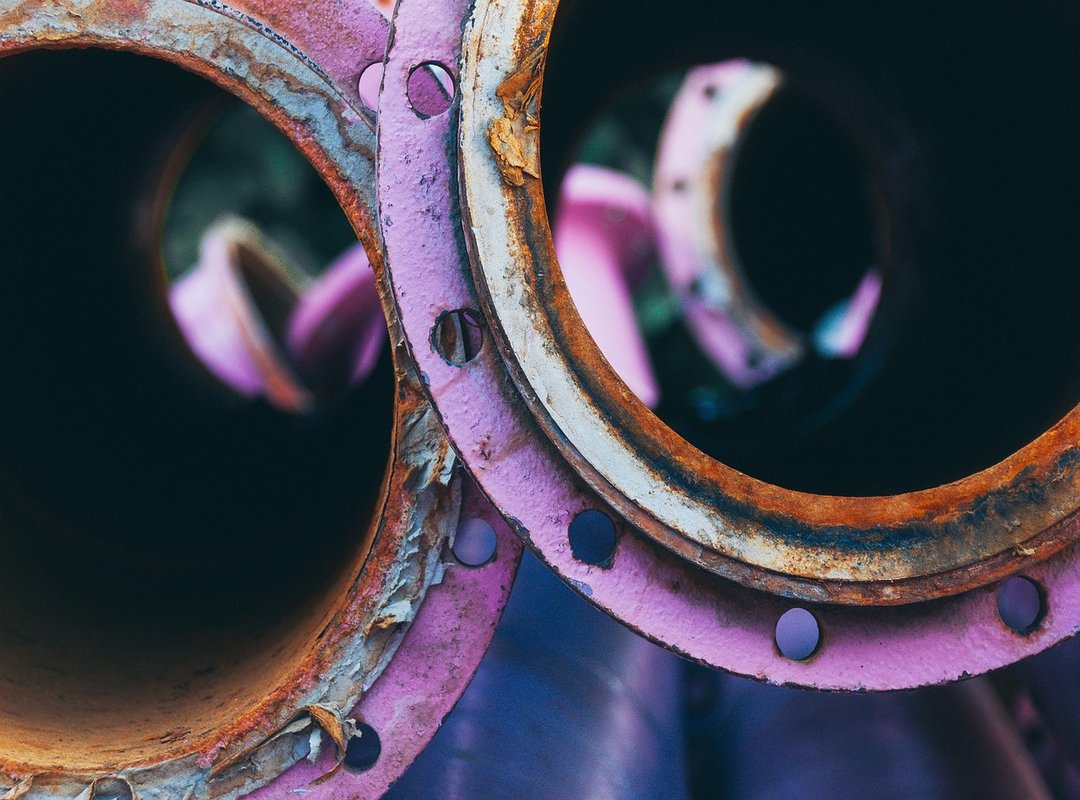
Ever started a home renovation and found yourself staring at a maze of pipes? Or maybe you’ve noticed different colored pipes behind a wall and wondered what they’re for. One of those colors might be redd tube poly, which is more commonly known as red PEX (cross-linked polyethylene) tubing.
I’m here to give you the lowdown on what this stuff is, how it’s used, and why it’s become so popular. By the end, you’ll know exactly why red PEX is a go-to choice in modern plumbing. No fancy jargon, just the facts.
Let’s dive in.
Primary Uses: Where Red Poly Tubing Shines
Red poly tubing is almost exclusively used for hot water supply lines. This makes plumbing systems easy to identify and service. It’s a no-brainer for anyone in the field.
In residential plumbing, you’ll find it running from the water heater to fixtures like sinks, showers, and washing machines. I once made the mistake of using a different color. It led to a lot of confusion during a maintenance check.
Lesson learned: stick with the color code.
Red poly tubing also plays a key role in hydronic radiant heating systems. The flexible tubing is laid under floors to circulate hot water and provide efficient heating. Its flexibility reduces the number of fittings needed inside walls, minimizing potential leak points.
Outdoor applications like snow and ice melting systems for driveways and walkways benefit from its durability and temperature resistance. I remember a project where we used redd tube poly for a client’s driveway. It was a game-changer, especially during harsh winters.
The key benefit here is its ability to withstand extreme conditions without breaking down. It’s a reliable choice that can save you a lot of headaches in the long run.
Red Poly vs. The Alternatives: A Head-to-Head Comparison
Cost
Let’s talk about cost first. Red poly (PEX) is significantly cheaper than traditional copper pipes. That can make a big difference in your budget, especially for larger projects.
Installation Speed
When it comes to installation, PEX is a game-changer. It’s faster and requires fewer soldered joints. This means less time and effort, which is a win for both DIYers and professionals.
Corrosion Resistance
Corrosion is a real headache with copper. PEX, on the other hand, is immune to rust and mineral buildup. This means you won’t have to worry about leaks or replacements due to corrosion.
Flexibility
Flexibility is where PEX really shines. Unlike rigid PVC, PEX can bend around corners and fit into tight spaces. This makes it much easier to work with, especially in tricky installations.
Hot Water Compatibility
While CPVC is rated for hot water, PEX offers better freeze resistance. This is a big plus if you live in an area with harsh winters.
Color Coding
Now, let’s clear up some confusion. The material for red PEX, blue PEX, and white PEX is the same. The colors are just a code to distinguish hot (red) from cold (blue) lines, with white being used for either.
Simple, right?
Comparative List
Here’s a quick comparison:
– Flexibility: PEX (High), Copper (Low), PVC (None)
– Cost: PEX (Lower), Copper (Higher)
– Installation Speed: PEX (Faster), Copper (Slower)
– Corrosion Resistance: PEX (High), Copper (Low)
Summary
In summary, PEX’s balance of cost, durability, and ease of installation is why it has overtaken other materials in new construction. Whether you’re working on a small home project or a large commercial build, redd tube poly and its variants are worth considering. redd tube poly
Key Considerations for Installation and Maintenance

When I first started working with PEX tubing, I thought it would be a breeze. No glue, no soldering—just cut and connect. But boy, did I learn some lessons the hard way.
First off, you need the right tools. A PEX tube cutter is essential for making clean, square cuts. You’ll also need a crimp or cinch clamp tool to secure the connections.
These are non-negotiable.
Making a clean, square cut is crucial. After that, slide on a crimp ring, insert a fitting (like an elbow or tee), and secure the ring with your tool. It sounds simple, but trust me, it’s easy to mess up if you’re not careful.
One of my biggest mistakes was not using bend supports for tight corners. Kinks can reduce water flow and even cause leaks. Don’t make the same mistake I did.
Use those bend supports.
Another critical tip: protect the tubing from UV light. I once left some PEX tubing exposed to sunlight for too long, and it started degrading. Redd tube poly is especially susceptible, so keep it out of direct sunlight.
PEX is great because it’s less likely to burst from freezing compared to rigid pipes. It can expand slightly, which is a big plus. Still, it’s not invincible.
Regular checks and maintenance are key.
Always check local building codes. Some areas have specific requirements for fittings and installation methods. Ignoring these can lead to costly rework and even legal issues.
Trust me, it’s better to do it right the first time.
Making the Right Choice for Your Plumbing Project
Red poly tubing offers several key benefits, making it a popular choice for modern plumbing projects. It is highly affordable, which can significantly reduce the overall cost of your project.
The material is also resistant to corrosion, ensuring long-lasting performance without the need for frequent replacements.
Its flexibility allows for easy installation, even in tight or awkward spaces.
This makes red poly tubing the go-to solution for hot water distribution in both residential and light commercial settings.
With this information, you now have the foundational knowledge to better understand a plumber’s quote or to plan your own project with confidence.
When in doubt, always consult a licensed professional to ensure your plumbing project is safe and up to code.
 w to articulate yet — and then answering them properly.
They covers a lot of ground: Expert Breakdowns, Lightnite Battle Royale Mechanics, Gamefront News, and plenty of adjacent territory that doesn't always get treated with the same seriousness. The consistency across all of it is a certain kind of respect for the reader. Pearlinara doesn't assume people are stupid, and they doesn't assume they know everything either. They writes for someone who is genuinely trying to figure something out — because that's usually who's actually reading. That assumption shapes everything from how they structures an explanation to how much background they includes before getting to the point.
Beyond the practical stuff, there's something in Pearlinara's writing that reflects a real investment in the subject — not performed enthusiasm, but the kind of sustained interest that produces insight over time. They has been paying attention to expert breakdowns long enough that they notices things a more casual observer would miss. That depth shows up in the work in ways that are hard to fake.
w to articulate yet — and then answering them properly.
They covers a lot of ground: Expert Breakdowns, Lightnite Battle Royale Mechanics, Gamefront News, and plenty of adjacent territory that doesn't always get treated with the same seriousness. The consistency across all of it is a certain kind of respect for the reader. Pearlinara doesn't assume people are stupid, and they doesn't assume they know everything either. They writes for someone who is genuinely trying to figure something out — because that's usually who's actually reading. That assumption shapes everything from how they structures an explanation to how much background they includes before getting to the point.
Beyond the practical stuff, there's something in Pearlinara's writing that reflects a real investment in the subject — not performed enthusiasm, but the kind of sustained interest that produces insight over time. They has been paying attention to expert breakdowns long enough that they notices things a more casual observer would miss. That depth shows up in the work in ways that are hard to fake.