
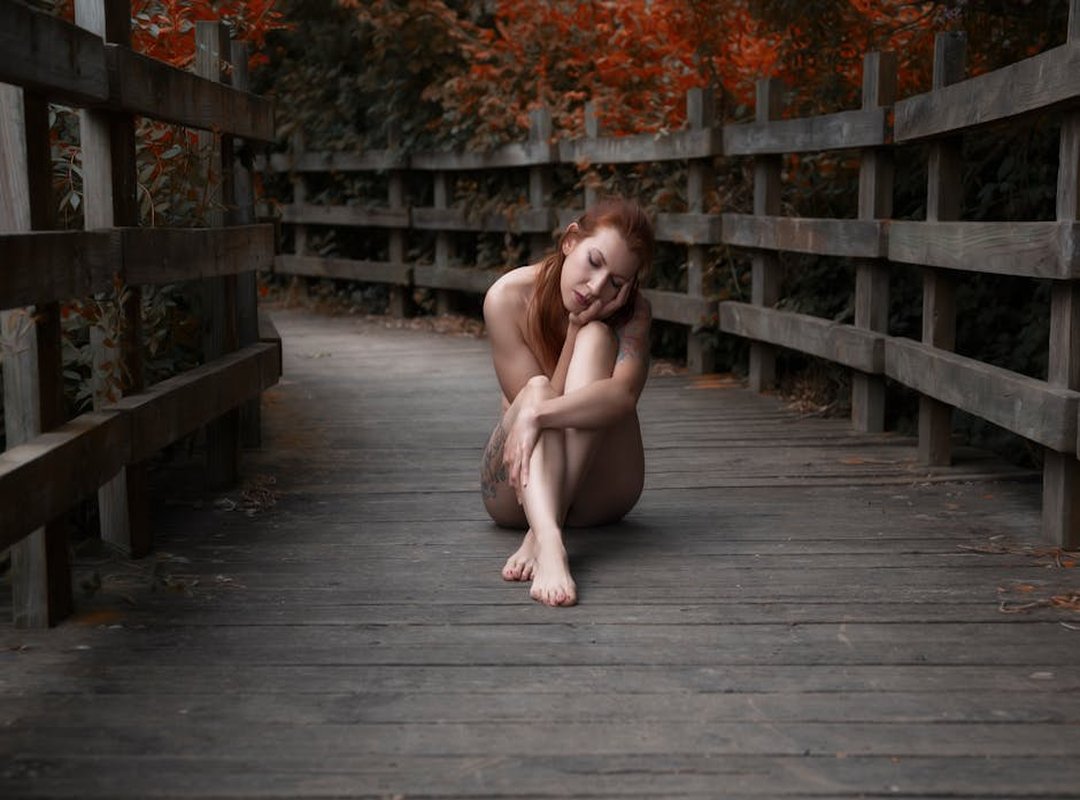
Artistic photography is a journey, not just a destination. It’s about capturing the essence of a moment and making it your own. Many photographers struggle to find their unique style.
They want to create visually stunning, emotionally resonant images but don’t know where to start.
I get it. You’re here because you want to master artistic photography. loveamypond nude might catch your eye, but let’s focus on the art. This article will guide you through the techniques, tools, and inspiration you need.
I’ve been there, and I’m here to share what I’ve learned. Trust me, it’s worth it.
Understanding Artistic Photography
Definition: What is artistic photography?
Artistic photography is all about capturing images that go beyond just documenting a scene. It’s about creating something that stirs emotions and tells a story. Unlike other forms of photography, it’s not just about getting a clear shot; it’s about expressing a vision.
Key Elements: Composition, lighting, and storytelling
- Composition: This is how you frame your photo. Think about the rule of thirds, symmetry, and balance.
- Lighting: Light can make or break a photo. Natural light, artificial light, shadows—each can change the mood and feel.
- Storytelling: Every photo should tell a story. Whether it’s a single image or a series, there should be a narrative.
Importance: Why artistic photography matters
Artistic photography is a powerful medium for self-expression and creativity. It allows photographers to share their unique perspectives and emotions. You can capture the beauty of the world in a way that resonates with others.
It’s not just about taking pictures; it’s about making art. And sometimes, that art can be as simple as a loveamypond nude, showing the raw, unfiltered beauty of the human form.
LoveAmyPond’s Unique Style and Vision
LoveAmyPond has a journey that’s both inspiring and unique. She started with a simple love for capturing moments and turned it into something truly special.
Her background is rooted in a deep connection to nature and the human form. This connection fuels her creativity and passion.
Signature Style
LoveAmyPond’s work is known for its bold, emotional, and often raw aesthetic. She uses natural light and settings to create a sense of intimacy and authenticity.
- Natural Light: She prefers natural light to highlight the beauty of her subjects.
- Intimate Moments: Her photos capture intimate and candid moments, making them feel real and relatable.
- Minimalism: She keeps her compositions simple, focusing on the subject rather than distractions.
Influence
LoveAmyPond’s style has made a significant impact on the broader photography community. Her approach to minimalism and natural light has inspired many photographers to embrace simplicity and authenticity.
loveamypond nude is a term that often comes up, but it’s more about the natural and unfiltered way she captures her subjects. It’s not just about the subject; it’s about the story and the emotion behind each photo.
Her influence extends beyond just technique. She encourages others to find their own voice and to be true to their artistic vision. This has led to a more diverse and authentic representation in the photography world.
Understanding LoveAmyPpond’s style can help you refine your own. Whether you’re a beginner or a seasoned photographer, there’s always something to learn from her unique vision.
Techniques for Creating Stunning Artistic Photos
I remember the first time I tried to take a photo that felt truly artistic. It was a mess. The composition was off, and the lighting made everything look flat.
But hey, we all start somewhere, right?
Composition
One of the most important things I learned is the rule of thirds. It’s simple: divide your frame into a 3×3 grid and place your subject at one of the intersections. This creates a balanced and engaging image.
Framing and leading lines also help. For example, using a tree branch to frame a distant mountain can make the photo more interesting.
Lighting
Mastering lighting changed my photography game. Natural light is great, but it’s not always available. I once had to shoot a portrait in a dimly lit room.
Using a single lamp and a reflector, I managed to create a soft, warm glow that highlighted the subject’s features perfectly. loveamypond nude might sound like an odd reference, but it’s a reminder that even subtle lighting can transform a photo.
Color and Texture
Color theory and texture are often overlooked, but they add so much depth. A pop of color in a monochrome scene can draw the eye, and textures like rough brick or smooth water can make a photo feel more alive. I once took a photo of a rusty old car.
The vibrant red paint against the dull, weathered metal told a story on its own.
These techniques might seem basic, but trust me, they can turn a good photo into a stunning one.
Tools and Equipment for Artistic Photography
When it comes to artistic photography, your gear can make or break your shots.
Camera and Lenses: Choosing the right camera and lenses is crucial. For landscapes, a wide-angle lens captures more of the scene. For portraits, a prime lens with a low aperture (like f/1.8) creates that beautiful, blurred background.
Accessories are just as important. A sturdy tripod keeps your camera steady, especially in low light. Filters, like polarizers, reduce glare and enhance colors.
Reflectors bounce light back onto your subject, filling in shadows and adding depth.
Software: Post-processing tools like Adobe Lightroom and Photoshop help you refine and perfect your images. Adjusting exposure, color, and sharpness can turn a good photo into a great one.
One thing I see a lot is people getting caught up in the latest and greatest gear. But here’s the truth: the best tool is the one you know how to use. Spend time learning your equipment inside and out.
That’s where the magic happens.
(And if you’re into gaming, check out top gaming industry headlines shaping the week.)
loveamypond nude
Remember, the goal is to capture the moment and tell a story. Your tools are just there to help you do that.
Finding Inspiration and Creativity
I often get asked where I find my creative ideas. It’s a good question, and one that deserves a straightforward answer.
First, let’s talk about sources of inspiration. For me, it’s all about looking in unexpected places. Sometimes, it’s as simple as taking a walk or talking to someone from a different background.
(You’d be surprised how much you can learn from a casual chat.)
- Read widely. Books, articles, even social media posts can spark new thoughts.
- Travel. New places and cultures can open your mind to different ways of thinking.
- Engage with art. Museums, galleries, and even street art can provide fresh perspectives.
Creative exercises are another key. They help you break out of your usual patterns and try something new. Here are a few I recommend:
- Brainstorming sessions. Set a timer for 10 minutes and write down every idea that comes to mind, no matter how wild.
- Collaborate. Work with someone who has a different skill set. You might be surprised by the results.
- Experiment with mediums. If you usually write, try painting. If you’re a photographer, try writing a short story.
Staying inspired is a challenge, but it’s not impossible. Creative blocks happen, and when they do, it’s important to have a plan.
One thing that works for me is to take a break. Sometimes, stepping away for a bit can clear your head. (loveamypond nude) Also, keep a notebook handy.
Jot down ideas as they come, even if they seem insignificant at the time. You never know when they’ll be useful.
Lastly, I predict that in the future, technology will play an even bigger role in creativity. AI, for example, could become a tool for generating new ideas. (Speculation, of course, but it’s worth considering.)
Stay curious, stay open, and keep experimenting. That’s the key to keeping your creative fire burning.
Building a Portfolio and Showcasing Your Work
Curating a strong and cohesive portfolio of your best work is key. It’s not just about quantity; it’s about quality.
First, pick your best shots. The ones that make you proud. (And no, loveamypond nude isn’t the kind of content we’re talking about here.)
Next, organize them. Group similar styles or themes together. This makes it easier for viewers to see your range and consistency.
Now, let’s talk about your online presence. You need a professional website. It doesn’t have to be fancy, but it should be clean and easy to navigate.
Use platforms like Squarespace or Wix. They’re user-friendly and offer templates that look great. Make sure to include an “About Me” section and a contact form.
Social media is also crucial. Instagram, for example, is perfect for photographers. Post regularly and engage with your audience.
Consistency is key.
Networking is the final piece. Connect with other photographers. Attend local meetups and workshops.
These are great places to learn and get noticed.
Reach out to potential clients too. Send them a link to your portfolio. Personalize your messages.
People appreciate a genuine connection.
By following these steps, you’ll build a strong portfolio and a solid online presence. And who knows? You might just land your next big gig.
Elevate Your Artistic Photography
loveamypond nude
Recap the essential techniques, tools, and inspiration discussed in the article. These elements are crucial for building a strong foundation in artistic photography.
Emphasize how following these guidelines can help you develop a unique and compelling artistic photography style. By mastering these skills, you can create images that stand out and truly reflect your vision.
Encourage readers to embrace their creativity and continue exploring the endless possibilities of artistic photography.
 Bill McNeestavo has opinions about leveling and power-up tips. Informed ones, backed by real experience — but opinions nonetheless, and they doesn't try to disguise them as neutral observation. They thinks a lot of what gets written about Leveling and Power-Up Tips, Gamefront News, Expert Breakdowns is either too cautious to be useful or too confident to be credible, and they's work tends to sit deliberately in the space between those two failure modes.
Reading Bill's pieces, you get the sense of someone who has thought about this stuff seriously and arrived at actual conclusions — not just collected a range of perspectives and declined to pick one. That can be uncomfortable when they lands on something you disagree with. It's also why the writing is worth engaging with. Bill isn't interested in telling people what they want to hear. They is interested in telling them what they actually thinks, with enough reasoning behind it that you can push back if you want to. That kind of intellectual honesty is rarer than it should be.
What Bill is best at is the moment when a familiar topic reveals something unexpected — when the conventional wisdom turns out to be slightly off, or when a small shift in framing changes everything. They finds those moments consistently, which is why they's work tends to generate real discussion rather than just passive agreement.
Bill McNeestavo has opinions about leveling and power-up tips. Informed ones, backed by real experience — but opinions nonetheless, and they doesn't try to disguise them as neutral observation. They thinks a lot of what gets written about Leveling and Power-Up Tips, Gamefront News, Expert Breakdowns is either too cautious to be useful or too confident to be credible, and they's work tends to sit deliberately in the space between those two failure modes.
Reading Bill's pieces, you get the sense of someone who has thought about this stuff seriously and arrived at actual conclusions — not just collected a range of perspectives and declined to pick one. That can be uncomfortable when they lands on something you disagree with. It's also why the writing is worth engaging with. Bill isn't interested in telling people what they want to hear. They is interested in telling them what they actually thinks, with enough reasoning behind it that you can push back if you want to. That kind of intellectual honesty is rarer than it should be.
What Bill is best at is the moment when a familiar topic reveals something unexpected — when the conventional wisdom turns out to be slightly off, or when a small shift in framing changes everything. They finds those moments consistently, which is why they's work tends to generate real discussion rather than just passive agreement.