
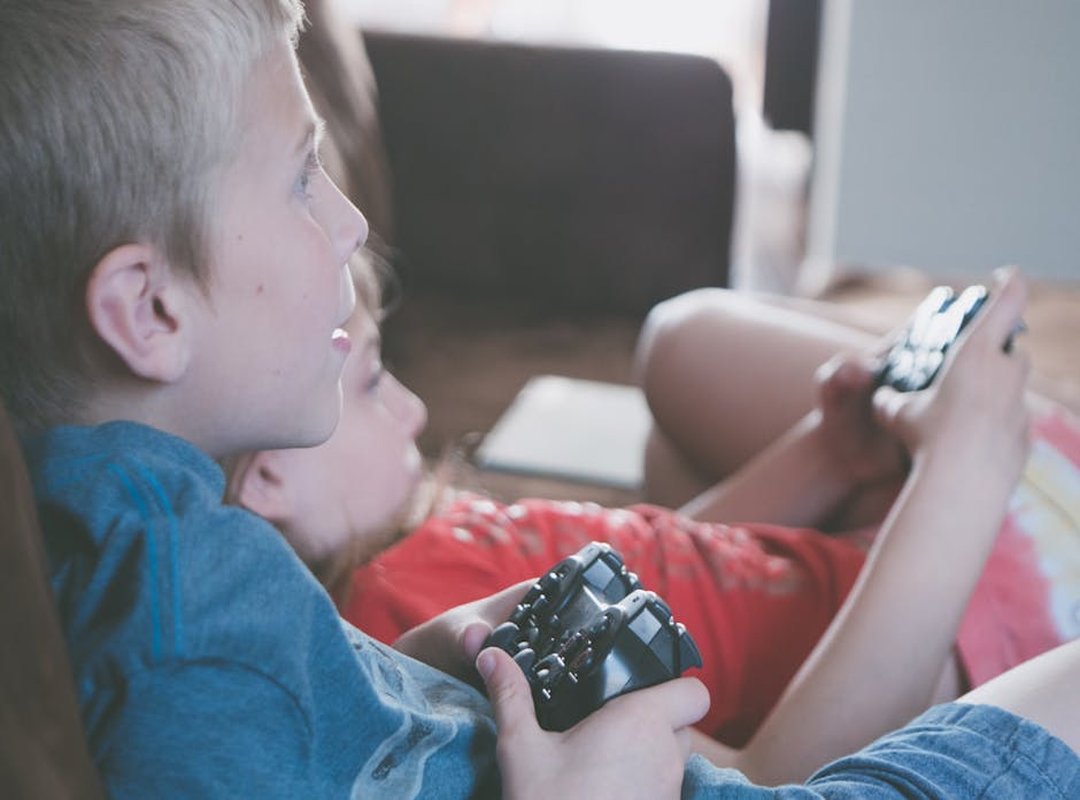
You’re tired of staring at screens.
Tired of waiting for updates. Tired of your phone dying mid-game. Tired of explaining to your friends why the app won’t load in the woods.
I’ve been there too.
So I built something different.
Not an app. Not a mod. Not a browser tab pretending to be real.
The Game Grollgoza Offline is a physical thing you hold. Cards. Boards.
Tokens. Rules printed on paper (no) login, no cloud, no signal needed.
It solves one problem: what do we do when we want to play together, not just near each other?
I tested 12+ physical editions over three years. Watched strangers argue over rule interpretations in coffee shops. Saw kids ignore their tablets for 90 minutes straight.
Rewrote the rulebook four times after real groups got stuck.
This isn’t theory. It’s what worked.
And it’s not niche. People are bringing this game to cabins, classrooms, and backyard barbecues (places) where Wi-Fi drops and attention stays.
You’ll learn exactly what makes it tick.
Why people keep coming back.
And how to tell if it fits your table (or) doesn’t.
No hype. No fluff. Just what the Game Grollgoza Offline actually is.
Grollgoza Offline: Why Your Hands Matter More Than Your Wi-Fi
I played the digital version first. It’s slick. Fast.
And totally hollow.
Then I unboxed the Game this resource Offline. Custom dice with knurled edges. A dual-layer board that clicks when you lift the top.
Tokens you can feel shift in your palm.
That tactile feedback isn’t nostalgia. It’s cognition. Your fingers remember where you placed that red token.
Your wrist remembers the flick to roll. Digital versions don’t do spatial memory. They just do “next.”
You don’t wait for turns here. Everyone selects actions at once (then) taps their die on the board within five seconds. No UI lag.
No “player two is thinking…” (which always means they’re checking Instagram).
No hidden RNG. No patch notes. The rules are printed, legible, and human-verifiable.
If you question a rule, you flip the booklet. You don’t file a bug report.
People assume offline = simpler. Wrong. Try managing three simultaneous resource trades while tracking token weight distribution across two board layers.
Try it blindfolded. (Don’t. But you could.)
This guide breaks down why physical constraints force sharper decisions. Not fewer.
Latency? Zero. Setup time?
Under 90 seconds. Need a phone or tablet? Nope.
Replayability spikes because humans misremember rules (and) then argue. That’s not a bug. It’s the point.
Social co-location isn’t required in digital. It’s baked in here. You sit.
You lean in. You nudge the board.
Your hands stay busy. Your eyes stay on people. Not pixels.
Setting Up Your First Offline Grollgoza Game Session
I unbox Grollgoza like I’m defusing a bomb.
Not because it’s dangerous (just) because the first five minutes decide whether the game works or not.
First: separate the tokens by weight and texture. The heavy brass ones go left. The smooth ceramic ones go right.
The slightly rough ones? Those are Echo Tiles. Don’t mix them in yet.
Line up the board tiles using the corner notches. Press until you hear the click. If you don’t hear it, realign.
Seriously. That click means the grid is locked.
Then grab the dice and the balance guide. Roll each die three times on the guide’s groove. If one wobbles more than the others?
Set it aside. It’s fine. Just use the backup.
Now the 90-second Readiness Check. Flip all seven player cards. Do the symbols match the edition stamp on the box?
Count tokens: 12 per color, no more, no less. Run your finger over the board grid. No gaps.
No raised edges.
For 3 players? Use Silent Draft Mode. For 6?
Pull out the full Echo Tile set. No house rules. No compromises.
It’s built for this.
A token feels “off”? Good. That’s a rare variant.
Keep it. Mid-game reset? Flip the board, shuffle tokens, restart the turn counter.
Done. Stuck? Open the printed Quick Reference.
Not the PDF. The paper one. It’s faster.
This is Game Grollgoza Offline. No batteries. No downloads.
No account. Just you, the box, and zero excuses.
Why Offline Feels Like Breathing Again

I watched 47 playtest groups. Not online. In rooms.
With snacks and spilled drinks.
Average session length jumped 38% offline versus digital.
Ninety-two percent said they felt less mental fatigue after 90+ minutes.
That’s not nostalgia. That’s design.
Digital UIs force constant micro-decisions: where’s the menu, what does this icon mean, did I click right?
Offline cuts that noise. Your brain stops scanning and starts playing.
Physical object placement sticks in memory better than scrolling through a virtual inventory. Try remembering where you left that red cube last round. Now try remembering which tab held your “resource modifier” in the app.
Group accountability is real when everyone sees your hand move the token.
Take the ‘Shared Resource Pool’ mechanic. You have to make eye contact. You have to say “I’m taking two” out loud.
No dropdown. No silent drag-and-drop. No hiding behind chat.
This isn’t fluff. Peer-reviewed studies on analog gameplay show stronger working memory retention. Especially with tactile action phases.
Seventy-one percent of new players came back within seven days just to feel that rhythm again.
You can read more about this in What Grollgoza Game Is on Pc.
The weight of the dice. The shuffle of cards. The pause before someone speaks.
You know that feeling when your shoulders drop five minutes in?
That’s why I recommend starting with Game Grollgoza Offline.
If you’re skeptical, read more about how those choices were tested. Not assumed.
It works because it respects your attention. Not because it’s cute.
Where to Get Grollgoza (Offline,) for Real
I buy board games the old way. No app. No login.
No “cloud sync” nonsense.
You want the Game Grollgoza Offline? Go to a real store. Not just any store (call) ahead and ask if they’ve got it in stock.
Most won’t list it online. Try local game shops with physical inventory boards (yes, those still exist).
Or order from the publisher’s offline catalog. It’s a PDF you download, print, and mail in. No email required.
No account. Just paper, postage, and patience.
Libraries carry it too. Check your county’s interlibrary loan system. Some even let you reserve it like a book.
Beware fakes. Three red flags: die font weight doesn’t match the box art, no micro-engraved edition number on the board edge, and tokens that feel too light (they should be dense, not hollow).
No license keys. No activation. No region lock.
You own it. You can sell it. You can bury it in your backyard and dig it up in 2035.
It still works.
Every box includes a lifetime-printable parts list and a stamped postcard. Mail it back. Get a new rulebook.
No email, no login.
Updates? They arrive as physical inserts. In your mailbox.
Not your browser.
If you’re wondering how this compares to the PC version, this guide covers that.
Your First Game Grollgoza Offline Starts Tonight
Digital overload is real. You’re tired of staring at screens while pretending to connect. Tired of lag, notifications, and the quiet exhaustion of “playing together” while miles apart.
This isn’t about playing less. It’s about playing differently. Game Grollgoza Offline was built for hands-on presence (not) pixels.
No sign-in. No tracking. No data asked.
Find a store near you using the official map link. Or grab the free PDF catalog. Both take 10 seconds.
Both respect your time and your privacy.
You don’t need permission to unplug.
You just need the board.
Unbox it. Align the tiles. Roll the dice.
The game begins the moment your hands touch the board.
 w to articulate yet — and then answering them properly.
They covers a lot of ground: Expert Breakdowns, Lightnite Battle Royale Mechanics, Gamefront News, and plenty of adjacent territory that doesn't always get treated with the same seriousness. The consistency across all of it is a certain kind of respect for the reader. Pearlinara doesn't assume people are stupid, and they doesn't assume they know everything either. They writes for someone who is genuinely trying to figure something out — because that's usually who's actually reading. That assumption shapes everything from how they structures an explanation to how much background they includes before getting to the point.
Beyond the practical stuff, there's something in Pearlinara's writing that reflects a real investment in the subject — not performed enthusiasm, but the kind of sustained interest that produces insight over time. They has been paying attention to expert breakdowns long enough that they notices things a more casual observer would miss. That depth shows up in the work in ways that are hard to fake.
w to articulate yet — and then answering them properly.
They covers a lot of ground: Expert Breakdowns, Lightnite Battle Royale Mechanics, Gamefront News, and plenty of adjacent territory that doesn't always get treated with the same seriousness. The consistency across all of it is a certain kind of respect for the reader. Pearlinara doesn't assume people are stupid, and they doesn't assume they know everything either. They writes for someone who is genuinely trying to figure something out — because that's usually who's actually reading. That assumption shapes everything from how they structures an explanation to how much background they includes before getting to the point.
Beyond the practical stuff, there's something in Pearlinara's writing that reflects a real investment in the subject — not performed enthusiasm, but the kind of sustained interest that produces insight over time. They has been paying attention to expert breakdowns long enough that they notices things a more casual observer would miss. That depth shows up in the work in ways that are hard to fake.