

If you’re searching for clear, no-nonsense insights into today’s Gamefront news, multiplayer tactics, console and PC game reviews, or deeper strategies behind Lightnite battle royale mechanics, you’re in the right place. This article is built to give you exactly what you need: practical breakdowns, smart analysis, and gameplay tips you can actually apply the next time you queue up.
We focus on what matters most to players—performance, strategy, mechanics, and meta shifts—so you can stay competitive whether you’re grinding ranked matches or jumping in for casual sessions. You’ll also find a clear look at pro vs casual gamer differences, helping you understand how mindset, decision-making, and mechanical skill separate the two—and how to close that gap.
Our insights are grounded in hands-on testing, consistent gameplay analysis, and close tracking of updates and competitive trends. No fluff. Just sharp, experience-backed guidance designed to help you play smarter and win more.
Beyond the Scoreboard
Hours logged matter, but they’re not the headline act. The real pro vs casual gamer differences show up in structure. Professionals review VODs (recorded gameplay footage) to dissect positioning errors, cooldown timing, and resource management; casual players, meanwhile, often just queue again. Moreover, elite competitors track metrics like damage per engagement and rotation efficiency—specific data points that translate into consistent wins. In battle royale modes, for example, top players plan drop routes based on loot density and storm algorithms, not vibes (yes, vibes get you eliminated). Consequently, improvement becomes intentional, repeatable, and far less frustrating over time.
Understanding why you play matters more than which game you load up. Psychology of play refers to the mental and emotional drivers behind your decisions, reactions, and long-term engagement. For some, logging in after work is pure decompression (cheaper than therapy, sometimes). For others, every match is practice. Neither approach is wrong; however, confusion about your goal often leads to frustration. If you expect ranked-level results from a casual routine, burnout follows quickly. On the other hand, treating every round like a championship can drain the joy that keeps you consistent. Clarifying your mindset helps you set expectations, build habits, and enjoy the process.
Casual Motivation (Entertainment & Escape): Focuses on fun, stress relief, and social connection. The primary goal is the enjoyment of the experience itself.
Professional Motivation (Performance & Improvement): Views gaming as a discipline. The primary goal is consistent, measurable improvement and winning under pressure.
Emotional Regulation: How pros develop mental resilience to handle losses, high-stakes moments, and performance slumps, versus a casual player’s emotional response to a frustrating match.
The Drive for Knowledge: Pros actively engage in ‘theory-crafting,’ studying patch notes, and analyzing opponent VODs as part of their routine. Casuals typically learn by simply playing.
The Grind vs. The Game: Practice and Time Investment
At first glance, gaming is gaming. But dig a little deeper, and the gap between casual and professional play becomes obvious. Casual playtime (unstructured) usually fills spare hours. You hop on, run a few matches, maybe experiment with a new character, and log off when dinner’s ready. It’s flexible and fun (as it should be).
Professional training (deliberate and structured), on the other hand, looks more like a 9-to-5 job. Scrims, replay reviews, mechanical drills, strategy meetings—it’s scheduled with intention. In conversations about pro vs casual gamer differences, this time structure is often the clearest divide.
The key concept here is deliberate practice. This means isolating a single skill—like aim tracking, combo timing, or map rotations—and repeating it with feedback until it improves. It’s less “just one more match” and more “one more controlled repetition.” Think Rocky’s training montage, minus the stairs.
That said, I’ll admit there’s debate about how much structure is too much. Burnout is real. Many pros now schedule workouts, sleep blocks, and mental breaks to sustain performance long term. Interestingly, that balance might be the hardest skill of all.
The Arsenal: Hardware, Peripherals, and Environment
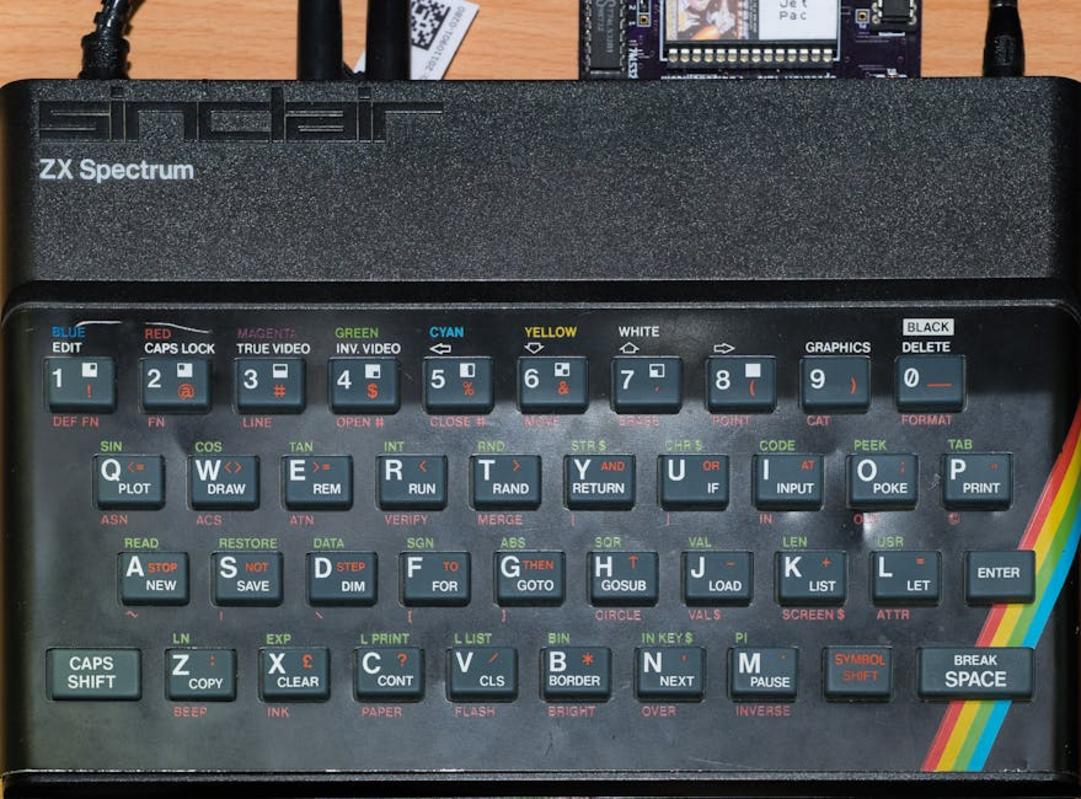
Casual Setup (Comfort & Convenience): Most players use whatever came with their console or PC. It works, it’s familiar, and for relaxed sessions, that’s enough. In contrast, Professional Setup (Optimization & Performance): Every component is intentional—144Hz+ monitors, lightweight mice with sub-1ms response times, and mechanical keyboards tuned for actuation speed. Research shows higher refresh rates can improve reaction time and target tracking (NVIDIA, 2023).
This is where the “One Percent” Advantage comes in. A few milliseconds of reduced input lag may sound trivial, but at elite levels, it’s match-defining (just ask any tournament finalist who lost by a frame). For deeper mechanics, study this frame data and hitbox breakdown for competitive advantage.
Environmental Control matters too. Pros manage lighting, noise, and seating ergonomics. Meanwhile, casual play often competes with roommates, TVs, or notifications. If you want practical improvement, start simple: upgrade your monitor first, then optimize mouse sensitivity, and finally declutter your space. Small changes stack up.
Understanding pro vs casual gamer differences helps you prioritize upgrades that actually impact performance.
Solo Queue vs. Scrims: Community and Team Dynamics
Why Structure Changes Everything
In solo queue, players rely on spontaneous coordination—or none at all. Communication is often limited to quick pings or short text bursts. By contrast, professional scrims revolve around defined roles such as In-Game Leader (the primary shot-caller), Entry Fragger (first to engage), and Support (utility and setup specialist). According to a 2023 Esports Charts report, top-tier teams scrim 5–8 hours daily, reviewing gameplay afterward to refine tactics—something casual players rarely do.
This highlights key pro vs casual gamer differences in preparation and accountability.
For example, structured teams track objective control rates and trade efficiency (how often teammates secure a kill after one falls). Meanwhile, solo queue players typically focus on personal stats.
| Aspect | Solo Queue | Scrims |
|——–|————|——–|
| Communication | Minimal or reactive | Constant, strategic |
| Feedback | Self-assessed | Coach/analyst review |
| Practice Level | Mixed skill | High-tier opponents |
Moreover, networking enables pros to scrim stronger teams, accelerating improvement through deliberate practice (a concept supported by psychologist Anders Ericsson’s performance research).
Last year, I realized my “cheap” hobby wasn’t cheap at all. Between a new console, three AAA titles, and an online subscription, I’d spent over $700. That’s casual gaming as an expense: entertainment, not income. For a tiny minority, though, it flips. Professional gaming as a career means salaries, prize pools, sponsorships, and streaming revenue. The pro vs casual gamer differences become painfully clear. Pros adopt an investment mindset, budgeting for elite PCs, coaching, and flights to tournaments like it’s the Super Bowl.
- Practice daily like a job
- Track every expense carefully
Fun can evolve into hustle—but only strategically.
Finding your place in the gaming world starts with honesty. The gap between casual and pro is not just about skill, but a fundamental chasm in mindset, methodology, and commitment. In other words, button‑mashing at 2 a.m. with pizza isn’t the same as drilling mechanics like it’s leg day.
While casual gaming is about the love of the game, professional gaming is about the discipline of competition.
Understanding pro vs casual gamer differences helps you set goals. You can:
• Borrow pro habits without going FULL ESPORTS.
• Keep the joy, drop the ego.
Decide what you want—and play accordingly.
Level Up Your Lightnite Strategy Today
You came here to sharpen your edge in Lightnite—and now you have the insights, tactics, and breakdowns to do exactly that. From mastering battle royale mechanics to understanding pro vs casual gamer differences, you’ve seen what separates inconsistent play from calculated wins.
The real frustration isn’t losing—it’s knowing you could’ve played smarter. Missed rotations, poor loadout choices, and weak positioning cost matches. But now, you’re equipped to fix that.
The next move is yours: put these tactics into action, refine your strategy, and stay updated with the latest Gamefront news, patch changes, and multiplayer meta shifts. Thousands of competitive players rely on our expert gameplay insights and in-depth reviews to stay ahead of the curve.
Don’t just queue up—queue up prepared. Dive into more advanced guides, apply what you’ve learned, and start turning close matches into consistent victories today.
 w to articulate yet — and then answering them properly.
They covers a lot of ground: Expert Breakdowns, Lightnite Battle Royale Mechanics, Gamefront News, and plenty of adjacent territory that doesn't always get treated with the same seriousness. The consistency across all of it is a certain kind of respect for the reader. Pearlinara doesn't assume people are stupid, and they doesn't assume they know everything either. They writes for someone who is genuinely trying to figure something out — because that's usually who's actually reading. That assumption shapes everything from how they structures an explanation to how much background they includes before getting to the point.
Beyond the practical stuff, there's something in Pearlinara's writing that reflects a real investment in the subject — not performed enthusiasm, but the kind of sustained interest that produces insight over time. They has been paying attention to expert breakdowns long enough that they notices things a more casual observer would miss. That depth shows up in the work in ways that are hard to fake.
w to articulate yet — and then answering them properly.
They covers a lot of ground: Expert Breakdowns, Lightnite Battle Royale Mechanics, Gamefront News, and plenty of adjacent territory that doesn't always get treated with the same seriousness. The consistency across all of it is a certain kind of respect for the reader. Pearlinara doesn't assume people are stupid, and they doesn't assume they know everything either. They writes for someone who is genuinely trying to figure something out — because that's usually who's actually reading. That assumption shapes everything from how they structures an explanation to how much background they includes before getting to the point.
Beyond the practical stuff, there's something in Pearlinara's writing that reflects a real investment in the subject — not performed enthusiasm, but the kind of sustained interest that produces insight over time. They has been paying attention to expert breakdowns long enough that they notices things a more casual observer would miss. That depth shows up in the work in ways that are hard to fake.