

If you’re searching for reliable updates on Lightnite, competitive multiplayer tactics, and honest console and PC game reviews, you’re in the right place. This article is built to give you exactly what you need: clear breakdowns of Lightnite battle royale mechanics, practical strategies you can apply in your next match, and timely coverage of the latest esports tournament highlights shaping the competitive scene.
Players often struggle to separate hype from genuinely useful insights. We cut through the noise by analyzing gameplay systems, patch changes, and real in-game scenarios to deliver advice that actually improves performance. From weapon balancing and map control to squad coordination and ranked play tactics, every section is designed to match your search intent—helping you play smarter and stay informed.
Our coverage combines hands-on gameplay analysis with up-to-date Gamefront news and competitive scene reporting, so you can trust that what you’re reading is accurate, relevant, and focused on helping you win more matches.
The Grand Finals: A Champion’s Ascent
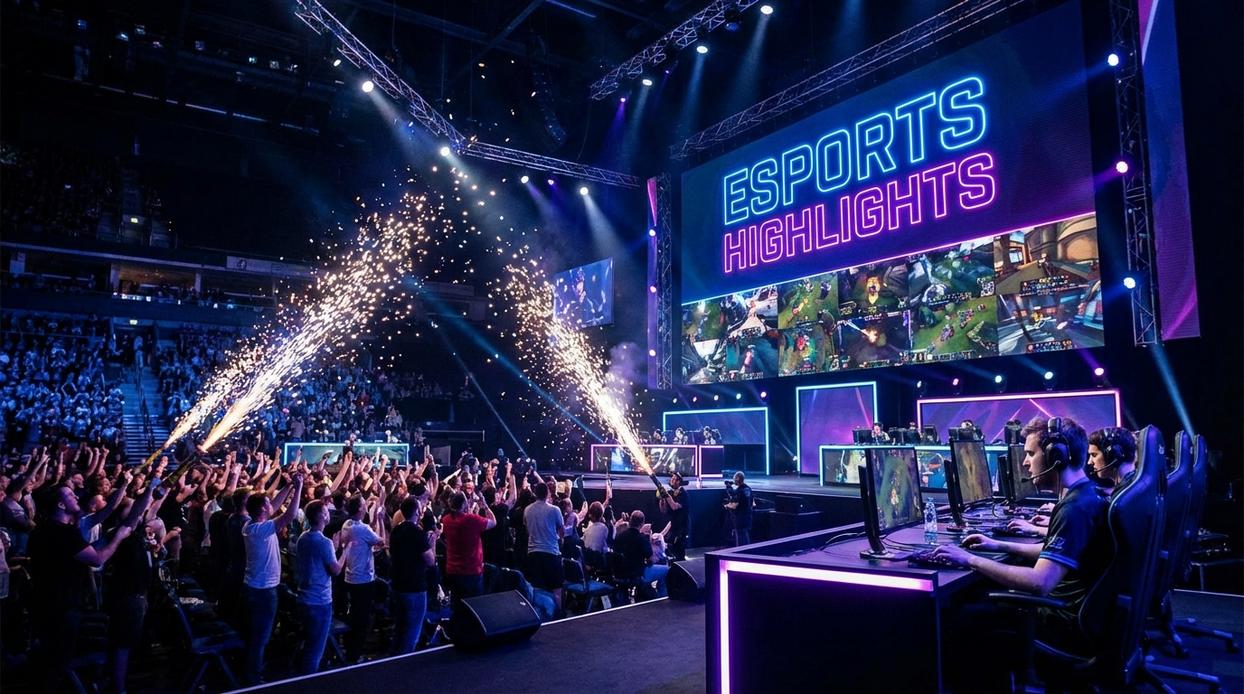
The roar. The final frame. The confetti. Were you on the edge of your seat, or did you blink and miss history? This year’s showdown delivered esports tournament highlights that will be replayed for seasons to come.
But here’s the real question: did the best mechanics win, or the best mind?
The champions separated themselves through:
- Adaptive drafting that countered the evolving meta (the “meta” meaning the most dominant strategies at a given time)
- Ice-cold clutch plays in sudden-death rounds
- Resource control that choked opponents out of late-game options
Some argue it came down to luck. A fortunate spawn. A mistimed ultimate. But was it luck—or preparation meeting opportunity? Watch the final push again. The rotations weren’t random. They were rehearsed, deliberate, inevitable.
Deconstructing the Winning Strategy: How Team Vortex Dominated
Team Vortex didn’t just win—they redefined how Lightnite is played. To understand their dominance, we need to clarify what made their approach so disruptive.
Unconventional Rotations
In battle royale terms, a rotation is the movement a team makes between safe zones as the map shrinks. Most squads follow the current meta (the widely accepted “best” strategy). Vortex ignored it. Instead of hugging edge zones, they cut through high-traffic choke points mid-game. Risky? Absolutely. But it let them ambush predictable teams rotating late. Think of it like taking side streets while everyone else is stuck on the highway.
Mastery of the Lightnite Arsenal
Rather than stacking high-damage rifles, Vortex leaned into area-denial gadgets—tools that restrict enemy movement (like deployable traps or zone-blocking utilities). This shifted fights from aim duels to territory control. In final circles, controlling space matters more than raw damage output. Their loadouts forced opponents into bad positioning before shots were even fired.
Economic Superiority
Their early-game looting wasn’t flashy. It was efficient. By prioritizing crafting materials and utility over quick eliminations, they built a resource cushion. In simple terms: more shields, more gadgets, more options. That translated into better late-game flexibility when others were scrambling.
Gameplay Tip Breakdown
Want to replicate this?
- Call rotations early and commit as a unit.
- Prioritize targets holding high ground.
- Carry at least one utility-focused gadget.
Review esports tournament highlights and notice how often Vortex wins fights before bullets fly. (That’s not luck—it’s layered planning.)
The Biggest Upsets and Underdog Runs of the Tournament
The Fall of the Titans
Every tournament has a moment when the unbeatable suddenly looks HUMAN. This year, it was the reigning champions’ quarter-final exit. For newer fans, a “quarter-final” simply means the round where eight teams remain—win, and you’re in the final four; lose, and you’re packing your bags.
The critical mistake? A poorly timed objective push. In competitive play, an “objective” refers to map-based goals—like control points or high-value loot—that swing momentum. The champs overcommitted without vision control (basically, reliable map information). One mistimed engage, one missed cooldown rotation, and the series flipped. Some argue it was just bad luck. But at this level, INFORMATION is everything. You don’t guess—you verify.
The Cinderella Story
Then came the unranked qualifiers. A “qualifier” team earns its spot through preliminary rounds, often facing longer paths and tougher brackets. Their run to the top four wasn’t magic—it was discipline.
- Clean rotations
- CONSISTENT resource management
- Fearless late-game calls
Their upset over the second seed will live in esports tournament highlights for years. (Yes, it had that movie-montage energy.)
Regional Rivalries
EU vs NA delivered the classic clash of styles: structured macro play versus aggressive tempo control. The surprise? NA’s unexpected defensive draft. Instead of early skirmishes, they scaled patiently—prioritizing late-game win conditions. Some fans called it “boring.” But strategy isn’t about flash; it’s about OUTCOMES.
For more competitive breakdowns and upcoming game releases to watch this season, staying informed is half the battle.
How the Pros Redefined the Game: Meta-Shifting Moments
When one pro locked in a rarely-picked agent, analysts called it a gimmick. Yet within two rounds, rotations crumbled, sightlines shifted, and entire comps had to adjust. In simple terms, a “meta” is the most effective tactics available—the strategies everyone believes are optimal. Break the meta, and you force adaptation. For you, that means learning to spot undervalued picks before they explode in ranked queues.
Meanwhile, battle royale pacing flipped. Instead of passive looting, squads executed aggressive early-game pushes, stacking eliminations and resources fast. Critics argue it’s reckless; after all, early fights can end runs. However, data from esports tournament highlights showed higher average placement for teams that seized momentum early. The benefit? You control tempo, dictate rotations, and snowball confidence (yes, confidence matters).
Then came the console versus PC debate. Controller players unveiled advanced movement tech—think rapid crouch-canceling and slide chaining—that offset mouse aim. Some purists insist keyboard remains king, but tournaments proved mechanics evolve.
What’s in it for you?
- Identify emerging strategies early
- Adapt faster than your lobby
- Turn experimentation into competitive edge
Ultimately, meta shifts reward players who study, test, and stay flexible (because comfort zones lose).
Top 5 Unforgettable Plays That Had the Crowd on Their Feet
- The 1-vs-4 clutch in the semi-finals: Skill versus numbers. While most teams would rotate out, he held angle A instead of retreating to B, proving mechanics can outshine strategy.
- The impossible long-range shot to win Game 3: Risk versus patience. Some argue you save the shot; others take it. He chose chaos—and nailed it.
- The perfectly timed ultimate ability that wiped an entire squad: Timing versus firepower, and timing won.
- The last-second objective steal: Brute force versus precision hacking.
- The reverse sweep comeback: Momentum versus mentality—esports tournament highlights energy.
The championship marks a turning point. You’re caught up, and the lesson is clear: rigid loyalty to the old meta loses games. Innovation and adaptability now define contenders. Some veterans argue fundamentals alone win championships, but recent esports tournament highlights show flexible squads outmaneuvering predictable drafts.
Looking ahead, expect online qualifiers to reward experimentation, shaking up power rankings before the next major.
To apply this, test one new tactic per session:
- Review your last loss.
- Swap a loadout or rotation path.
- Track results for five matches.
Stay adaptable, study trends, and watch upcoming streams for emerging counters.
Dominate Your Next Match with Confidence
You came here looking for sharper multiplayer tactics, clearer insight into Lightnite mechanics, and reliable updates that actually improve your performance. Now you have the strategies, breakdowns, and esports tournament highlights that give you a real competitive edge.
The biggest frustration for any serious player is feeling stuck—losing gunfights, misreading rotations, or falling behind on meta shifts. Staying informed and refining your approach is how you break that cycle and start controlling the lobby instead of reacting to it.
Your next move is simple: put these tactics into practice, review your gameplay, and stay locked in on the latest updates and competitive insights. Thousands of competitive players rely on our in-depth game analysis and battle-tested strategies to level up faster.
Don’t grind blindly. Stay updated, sharpen your mechanics, and step into your next match ready to win.
 Bill McNeestavo has opinions about leveling and power-up tips. Informed ones, backed by real experience — but opinions nonetheless, and they doesn't try to disguise them as neutral observation. They thinks a lot of what gets written about Leveling and Power-Up Tips, Gamefront News, Expert Breakdowns is either too cautious to be useful or too confident to be credible, and they's work tends to sit deliberately in the space between those two failure modes.
Reading Bill's pieces, you get the sense of someone who has thought about this stuff seriously and arrived at actual conclusions — not just collected a range of perspectives and declined to pick one. That can be uncomfortable when they lands on something you disagree with. It's also why the writing is worth engaging with. Bill isn't interested in telling people what they want to hear. They is interested in telling them what they actually thinks, with enough reasoning behind it that you can push back if you want to. That kind of intellectual honesty is rarer than it should be.
What Bill is best at is the moment when a familiar topic reveals something unexpected — when the conventional wisdom turns out to be slightly off, or when a small shift in framing changes everything. They finds those moments consistently, which is why they's work tends to generate real discussion rather than just passive agreement.
Bill McNeestavo has opinions about leveling and power-up tips. Informed ones, backed by real experience — but opinions nonetheless, and they doesn't try to disguise them as neutral observation. They thinks a lot of what gets written about Leveling and Power-Up Tips, Gamefront News, Expert Breakdowns is either too cautious to be useful or too confident to be credible, and they's work tends to sit deliberately in the space between those two failure modes.
Reading Bill's pieces, you get the sense of someone who has thought about this stuff seriously and arrived at actual conclusions — not just collected a range of perspectives and declined to pick one. That can be uncomfortable when they lands on something you disagree with. It's also why the writing is worth engaging with. Bill isn't interested in telling people what they want to hear. They is interested in telling them what they actually thinks, with enough reasoning behind it that you can push back if you want to. That kind of intellectual honesty is rarer than it should be.
What Bill is best at is the moment when a familiar topic reveals something unexpected — when the conventional wisdom turns out to be slightly off, or when a small shift in framing changes everything. They finds those moments consistently, which is why they's work tends to generate real discussion rather than just passive agreement.