
Finding a haircut that’s both stylish and professional, yet easy to manage, can feel like a never-ending quest. You want something modern, but you might not know the right words to describe it to your barber. That’s where the textured low fade comes in.
It’s the perfect blend of style and simplicity.
This cut is versatile enough for the office and casual settings. It’s all about the clean lines and a bit of texture on top. If you’re thinking, “Is this the one for me?” chances are, it is.
In this guide, I’ll cover what the textured low fade is, who it’s best for, how to ask for it, and how to style it at home. Trust me, by the end, you’ll be ready to rock this sharp look.
What Exactly is a Textured Low Fade? Breaking Down the Key Elements
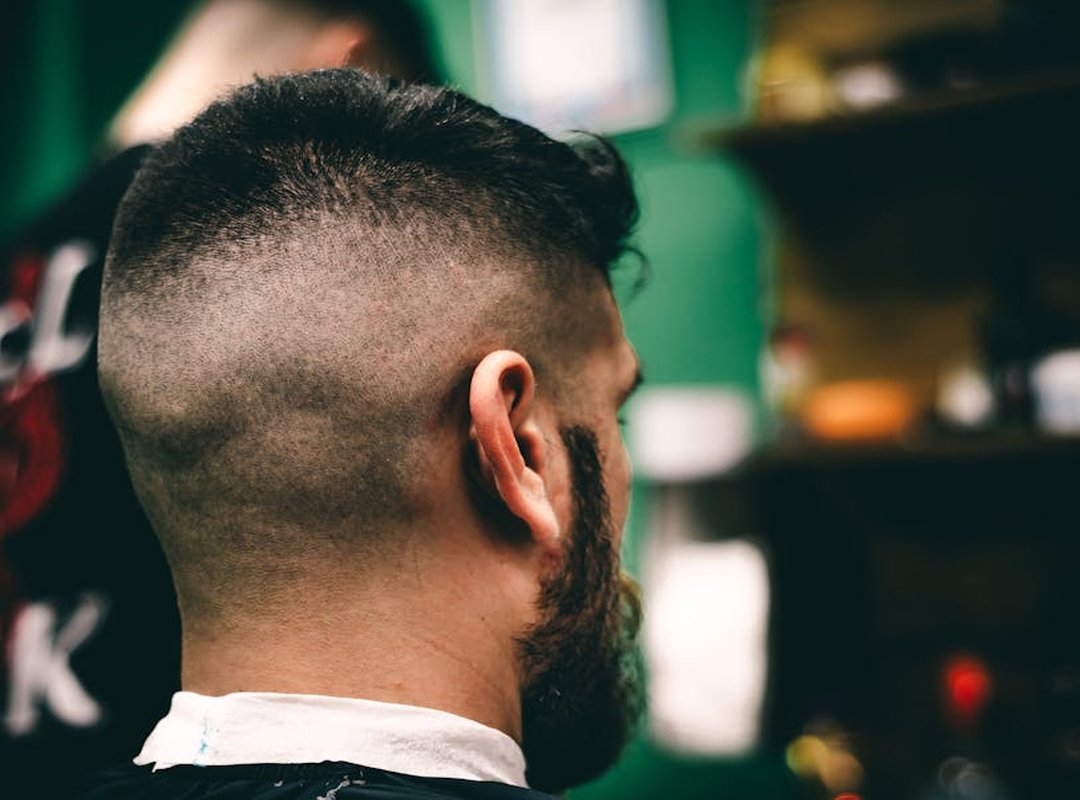
Let’s get one thing straight: a low fade isn’t just any old haircut. It starts just above the ears and tapers down cleanly to the neckline. This is different from mid and high fades, which start higher up and can sometimes look too dramatic.
Now, the texture on top. Barbers use techniques like point-cutting or thinning shears to create movement. The goal?
A piecey, dimensional look, and no one wants flat, uniform hair. Trust me, it’s all about that natural, lived-in vibe.
The blend is key. A seamless, gradual transition between the faded sides and the longer top is what separates a good cut from a great one. If it looks choppy, you’re not getting your money’s worth.
Variations are endless. You can pair the low fade with a quiff, fringe, or even a hard part. It’s versatile, and that’s why I love it.
And let’s not forget, this style offers the perfect balance. Clean-cut precision on the sides, effortless style on top. It’s the best of both worlds.
Low fade fluffy hair is a trend I’m seeing more and more. It’s got that cool, relaxed feel, but still looks put together. Perfect for those who want a bit of edge without going overboard.
Is This Haircut Right for You? Face Shapes and Hair Types That Shine
You know, I was at the barbershop last week, and this guy next to me said, “I always thought a low fade would look good on me, but I’m not sure.” I get it. It’s a big decision.
- Oval faces: The textured low fade adds structure without over-elongating.
- Square faces: It softens the jawline, giving a more balanced look.
- Round faces: The added texture helps define the face, making it appear more angular.
One of my friends, who’s got an oval face, told me, “It’s like the haircut frames my face perfectly.” And he’s right. The style complements his features without making them look too long or too short.
Now, let’s talk about hair types.
- Straight hair: The low fade looks sharp and clean.
- Wavy hair: Adds a natural, effortless vibe.
- Curly hair: With some customization, it can still work, adding a unique flair.
The barber once mentioned, “The low fade fluffy hair is all about versatility. It works for most hair types, but you need to know how to style it.”
For those with thinning hair, the added texture can create an illusion of fullness and volume. A client I overheard said, “I feel like I have more hair than I actually do.” It’s a smart choice for men with finer hair.
But here’s a quick self-assessment checklist:
- Do you have an oval, square, or round face?
- Is your hair straight, wavy, or slightly curly?
- Are you looking to add volume and fullness to your hair?
If you answered yes to these, the textured low fade might be perfect for you. But if you have very prominent ears, a mid-fade might be a better option to create a more balanced silhouette.
So, what do you think, and ready to give it a try?
How to Ask Your Barber for the Perfect Textured Low Fade

Getting a haircut should be simple, right, and but it’s not. You go in with a clear idea, and somehow, you end up with something totally different.
Frustrating, isn’t it?
Let’s fix that, and here’s exactly what to say:
“I’d like a low skin fade that starts right above the ear, blended into a longer, textured top.”
Visual aids are key, and bring 2-3 reference photos on your phone. This eliminates any chance of miscommunication.
Trust me, it’s worth it.
Now, let’s talk about the top section, and be specific. Say something like, “Leave about 3 inches on top, and I want it choppy or piecey for texture.” This way, there’s no guessing.
For the blend, ask for a “blurry” or “seamless” transition. You don’t want any harsh lines. It should look natural, not like a sharp divide.
And don’t forget the finishing touches. A line-up or edge-up is when the barber trims the edges of your hairline. Specify if you want it natural or sharp.
Oh, and one more thing. If you’re dealing with low fade fluffy hair, make sure to mention that too. It can change how the barber approaches the cut.
By following these steps, you’ll get the exact haircut you want. No more walking out of the barbershop feeling disappointed.
Pro tip: If you’re into gaming, the same principle applies. Whether you’re grinding or using smart progression, having a clear plan makes all the difference. Check out some tips on smart leveling methods to see how it can help in other areas of your life.
Styling at Home: Your 5-Minute Routine for Effortless Texture
Start with towel-dried, slightly damp hair. This is the ideal canvas for any styling product.
Matte clay gives a firm hold without the shine. Styling powder adds volume and texture, making your hair look fuller. Sea salt spray creates that beachy, wavy look, perfect for a casual day out.
Use a dime-sized amount of your chosen product. Rub it between your palms to warm it up. Then, work it through your hair from roots to tips.
Pro tip: Start with less and add more if needed. Too much can weigh your hair down.
A blow dryer on a low-heat setting is your secret weapon. It helps lock in the style and enhances the texture. The gentle heat feels nice too.
Once you’ve dried, use your fingertips to twist and separate small sections. This creates that perfectly messy, intentional look.
The final touch, and a light spritz of texturizing spray. It adds a bit of hold and keeps everything in place.
Your hair should now feel soft and look effortlessly styled. Perfect for a day out or a night in.
Pro tip: For a more relaxed vibe, try a low fade fluffy hair style. It’s easy to manage and always looks good.
Keeping Your Fade Fresh and Sharp Between Cuts
The low fade fluffy hair style is modern, versatile, and effortlessly stylish. With these tips, you now have all the tools needed to get and maintain this haircut with confidence.
Visit your barber every 2-4 weeks to keep the fade looking clean and sharp. This regular maintenance will ensure that your look stays on point.
As the sides grow out, use a bit more product to control them. This helps in maintaining a neat appearance even as the hair gets longer.
Book your next barbershop appointment today and try out your new look.
 Bill McNeestavo has opinions about leveling and power-up tips. Informed ones, backed by real experience — but opinions nonetheless, and they doesn't try to disguise them as neutral observation. They thinks a lot of what gets written about Leveling and Power-Up Tips, Gamefront News, Expert Breakdowns is either too cautious to be useful or too confident to be credible, and they's work tends to sit deliberately in the space between those two failure modes.
Reading Bill's pieces, you get the sense of someone who has thought about this stuff seriously and arrived at actual conclusions — not just collected a range of perspectives and declined to pick one. That can be uncomfortable when they lands on something you disagree with. It's also why the writing is worth engaging with. Bill isn't interested in telling people what they want to hear. They is interested in telling them what they actually thinks, with enough reasoning behind it that you can push back if you want to. That kind of intellectual honesty is rarer than it should be.
What Bill is best at is the moment when a familiar topic reveals something unexpected — when the conventional wisdom turns out to be slightly off, or when a small shift in framing changes everything. They finds those moments consistently, which is why they's work tends to generate real discussion rather than just passive agreement.
Bill McNeestavo has opinions about leveling and power-up tips. Informed ones, backed by real experience — but opinions nonetheless, and they doesn't try to disguise them as neutral observation. They thinks a lot of what gets written about Leveling and Power-Up Tips, Gamefront News, Expert Breakdowns is either too cautious to be useful or too confident to be credible, and they's work tends to sit deliberately in the space between those two failure modes.
Reading Bill's pieces, you get the sense of someone who has thought about this stuff seriously and arrived at actual conclusions — not just collected a range of perspectives and declined to pick one. That can be uncomfortable when they lands on something you disagree with. It's also why the writing is worth engaging with. Bill isn't interested in telling people what they want to hear. They is interested in telling them what they actually thinks, with enough reasoning behind it that you can push back if you want to. That kind of intellectual honesty is rarer than it should be.
What Bill is best at is the moment when a familiar topic reveals something unexpected — when the conventional wisdom turns out to be slightly off, or when a small shift in framing changes everything. They finds those moments consistently, which is why they's work tends to generate real discussion rather than just passive agreement.