
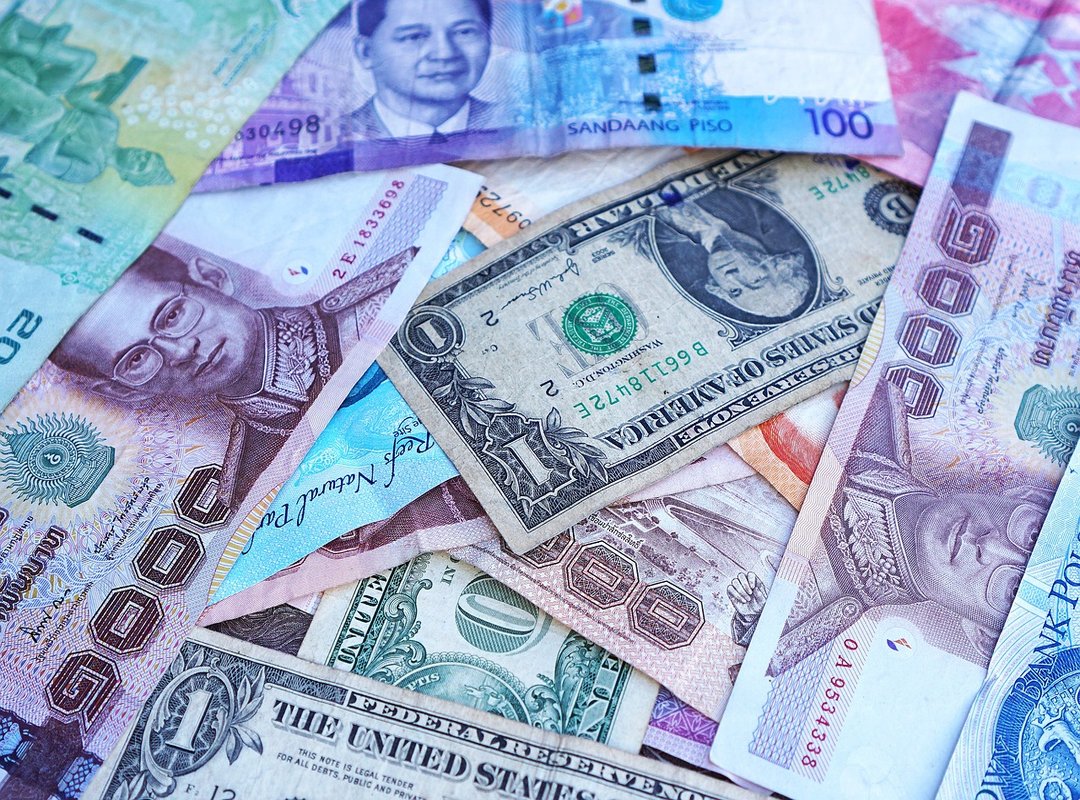
As of today, $9.99 USD is approximately 8,000 CLP. This number is based on the mid-market rate, which is the real-time exchange rate without any fees or markups from banks or services.
The amount you’ll actually get will be a bit different. Transfer fees and the specific rate offered by the exchange service play a role.
Exchange rates aren’t fixed. They change all the time.
In this article, I’ll guide you on how to understand these changes and find the best possible rate for your 9.99 dolares a pesos chilenos.
Why Does the Dollar-to-Peso Exchange Rate Change?
Let me start by explaining what an exchange rate is. It’s the price of one country’s currency in terms of another. Simple, right?
Now, when it comes to the USD/CLP rate, a few key factors really drive the changes. One of the biggest is the global price of copper. Chile is a major exporter of copper, and when copper prices go up, the peso tends to strengthen.
Conversely, if copper prices drop, the peso weakens.
Another big factor is the U.S. economy. The Federal Reserve’s interest rate decisions can have a huge impact on the dollar’s strength. Higher interest rates in the U.S. usually make the dollar stronger, which can affect the exchange rate with the peso.
Political stability and investor sentiment also play a role. If there’s unrest or uncertainty in either country, it can cause the currency to fluctuate. For example, if there’s political turmoil in Chile, investors might pull out, weakening the peso.
I remember a time when I didn’t pay attention to these factors. I thought I could just rely on my gut. Big mistake.
I ended up losing a lot of money. Since then, I’ve learned to keep a close eye on economic indicators and global trends.
Think of it like this: the value of a currency is a bit like the stock price of a company. It rises and falls based on performance and news. Just like you wouldn’t buy a stock without checking its financials, you shouldn’t trade currencies without understanding the underlying factors.
So, next time you see 9.99 dolares a pesos chilenos, take a moment to think about why that number is what it is. It’s not just a random figure; it’s a reflection of a complex interplay of economic and political forces.
Best Ways to Convert Dollars to Pesos in Practice
Converting dollars to pesos can be a bit of a headache, but it doesn’t have to be. Let’s break down the best methods and their pros and cons.
Online Money Transfer Services
Using services like Wise, Remitly, or WorldRemit is a smart choice. They typically offer lower fees and better exchange rates compared to traditional banks. Plus, they’re fast and easy to use.
Traditional Bank Transfers
If you prefer the tried-and-true method, a traditional bank transfer might be for you. The main advantage is security. Banks are reliable and well-regulated.
However, the downside is higher fees and less favorable exchange rates. It’s a trade-off you need to consider.
Debit or Credit Cards
Using a debit or credit card for purchases in Chile is another option. Just make sure your card has no foreign transaction fees. This can save you a lot of money in the long run. Lightniteone
Always check with your bank before you travel.
ATM Withdrawals
Withdrawing Chilean pesos from an ATM when you arrive in Chile is convenient. But be aware of potential fees. Your home bank might charge you, and the local Chilean bank might add its own fee.
It’s a good idea to check these costs beforehand.
Comparison Table
- Online Money Transfer Services
- Pros: Lower fees, better rates, fast.
- Cons: Might require setup, not all services are available everywhere.
- Traditional Bank Transfers
- Pros: Secure, reliable.
- Cons: Higher fees, less favorable rates.
- Debit or Credit Cards
- Pros: Convenient, no foreign transaction fees if you choose wisely.
- Cons: Potential fees if you don’t have the right card.
- ATM Withdrawals
- Pros: Instant access to cash.
- Cons: Multiple fees, potentially high.
Pro Tip: Always compare at least two options before making a transfer. Exchange rates and fees can vary, so it’s worth checking to get the best deal on that specific day.
For example, if you need to convert 9.99 dolares a pesos chilenos, using an online service might give you more pesos for your dollars compared to a bank transfer.
By understanding these options, you can make the most of your money and avoid unnecessary fees.
Common and Costless Currency Exchange Mistakes to Avoid
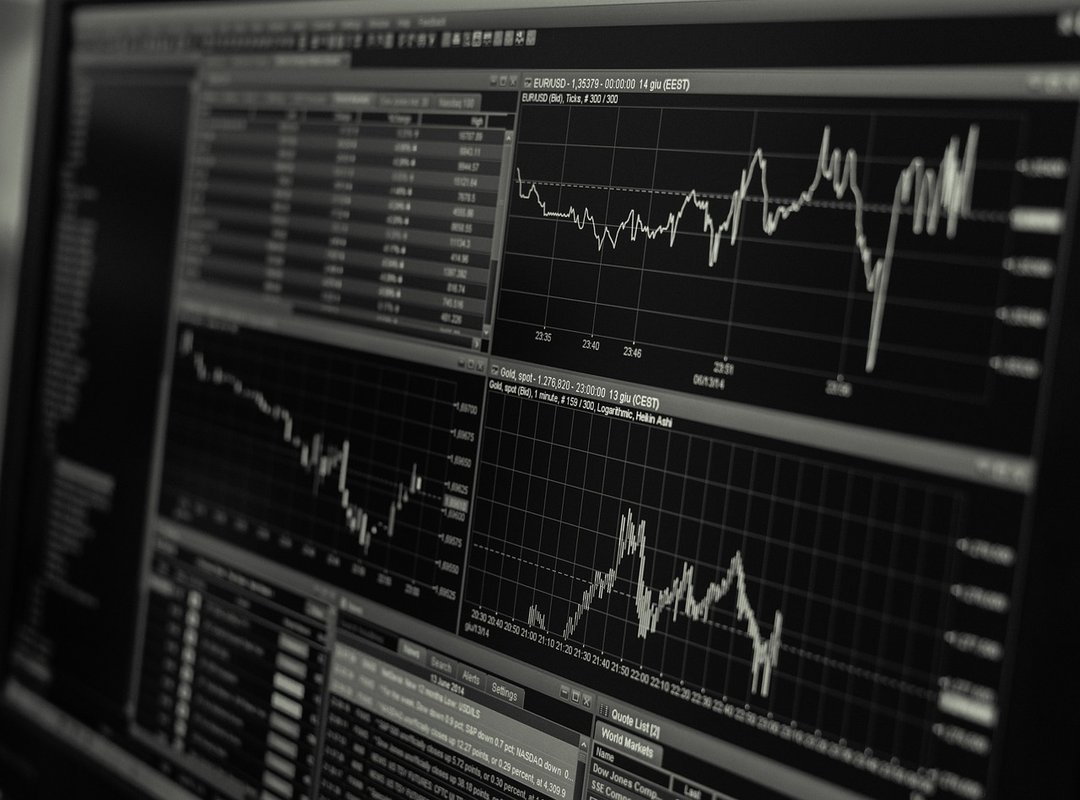
When traveling, it’s easy to fall into currency exchange traps. Let’s break down some of the most common and costly mistakes.
First off, avoid using currency exchange counters at airports. They’re notorious for offering the worst exchange rates and highest fees. It’s all about convenience, but it comes at a steep price.
Next, let’s talk about Dynamic Currency Conversion (DCC). This is when an ATM or card machine asks if you want to be charged in USD instead of CLP. Always choose the local currency (CLP) to avoid hidden markups.
Trust me, those extra charges add up fast.
Another mistake is falling for services that advertise ‘zero fees’ or ‘no commission.’ These often build their profit into a poor exchange rate. You might think you’re saving, but you’re actually losing out.
Exchanging large amounts of cash before traveling is also a no-go. It poses a security risk, and digital methods usually offer better value. Plus, carrying around 9.99 dolares a pesos chilenos in cash can be a hassle.
- Avoid airport currency exchange counters.
- Choose local currency (CLP) over DCC.
- Be wary of ‘zero fee’ services.
- Use digital methods for better value.
By keeping these tips in mind, you can save money and travel more securely.
Getting the Most Value for Your Money
The exchange rate is always moving, so it’s crucial to check the current mid-market rate before any transaction. This ensures you’re getting the best deal possible. For most needs, using a reputable online transfer service or a no-foreign-fee card will provide the best value.
1. Check the live mid-market rate.
2. Compare fees and rates on a comparison site.
3.
Choose to be charged in the local currency (CLP).
By following these simple steps, you can save a significant amount of money, ensuring your 9.99 dolares a pesos chilenos goes as far as possible.
 Bill McNeestavo has opinions about leveling and power-up tips. Informed ones, backed by real experience — but opinions nonetheless, and they doesn't try to disguise them as neutral observation. They thinks a lot of what gets written about Leveling and Power-Up Tips, Gamefront News, Expert Breakdowns is either too cautious to be useful or too confident to be credible, and they's work tends to sit deliberately in the space between those two failure modes.
Reading Bill's pieces, you get the sense of someone who has thought about this stuff seriously and arrived at actual conclusions — not just collected a range of perspectives and declined to pick one. That can be uncomfortable when they lands on something you disagree with. It's also why the writing is worth engaging with. Bill isn't interested in telling people what they want to hear. They is interested in telling them what they actually thinks, with enough reasoning behind it that you can push back if you want to. That kind of intellectual honesty is rarer than it should be.
What Bill is best at is the moment when a familiar topic reveals something unexpected — when the conventional wisdom turns out to be slightly off, or when a small shift in framing changes everything. They finds those moments consistently, which is why they's work tends to generate real discussion rather than just passive agreement.
Bill McNeestavo has opinions about leveling and power-up tips. Informed ones, backed by real experience — but opinions nonetheless, and they doesn't try to disguise them as neutral observation. They thinks a lot of what gets written about Leveling and Power-Up Tips, Gamefront News, Expert Breakdowns is either too cautious to be useful or too confident to be credible, and they's work tends to sit deliberately in the space between those two failure modes.
Reading Bill's pieces, you get the sense of someone who has thought about this stuff seriously and arrived at actual conclusions — not just collected a range of perspectives and declined to pick one. That can be uncomfortable when they lands on something you disagree with. It's also why the writing is worth engaging with. Bill isn't interested in telling people what they want to hear. They is interested in telling them what they actually thinks, with enough reasoning behind it that you can push back if you want to. That kind of intellectual honesty is rarer than it should be.
What Bill is best at is the moment when a familiar topic reveals something unexpected — when the conventional wisdom turns out to be slightly off, or when a small shift in framing changes everything. They finds those moments consistently, which is why they's work tends to generate real discussion rather than just passive agreement.